How Apple's IPhone 14 Camera Can Be The Best One Around
Iphone 14 back camera iphone 14 front camera how to pair apple watch to new iphone 14 apple iphone nn5 nn5 s how apple spatial audio works how apple sidesteps billions in taxes apple store
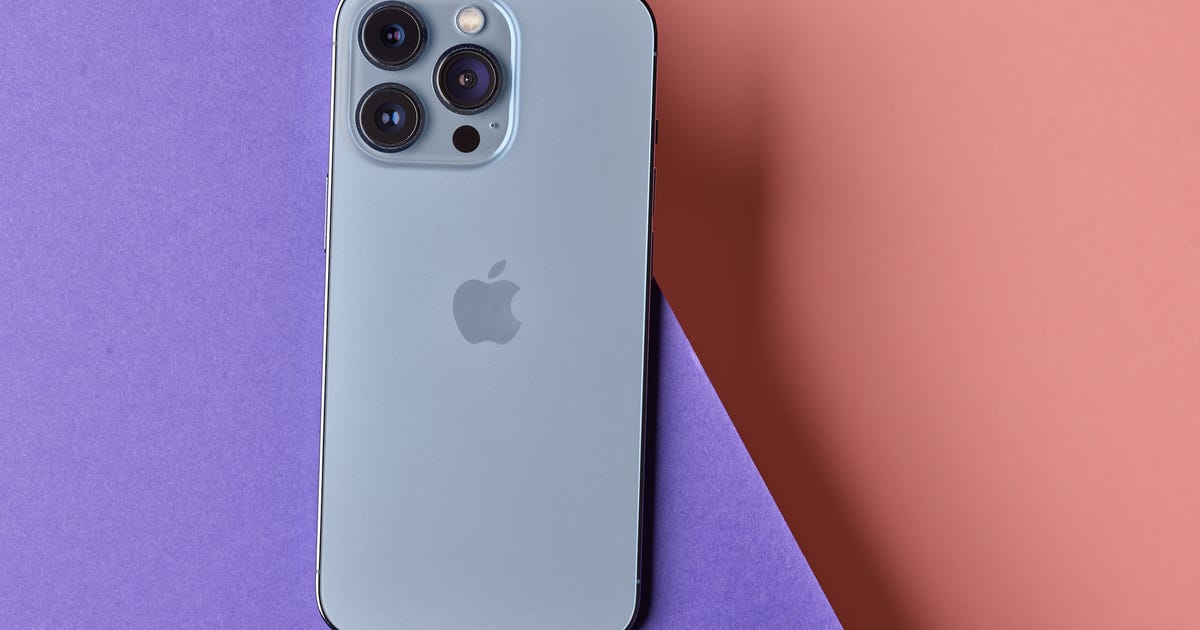
How Apple's iPhone 14 Camera Can Be the Best One Around
Apple's iPhone 14 is almost certainly coming soon. With just a few weeks ahead of its possible launch, the rumor mill is furiously churning out gossip about the new iPhone's release date, price and design changes and other upgrades. I've been very vocal about the major features I want to see on Apple's next flagship phone, but it's the camera that I'm particularly keen to see take some real steps forward.
The cameras on Apple's phones have always been superb, with the iPhone 13 Pro capable of taking the sort of shots you'd expect to see from professional cameras, and even its cheapest iPhone SE able to take beautiful snaps on your summer vacations. But the Pixel 6 Pro and Samsung Galaxy S22 Ultra pack amazing camera systems that mean Apple doesn't have the lead it once did.
So I've sat around daydreaming about how I'd go about redesigning Apple's camera system for the iPhone 14 to hopefully secure its position as the best photography phone around. Apple, take note.
A much bigger image sensor on iPhone 14
The image sensors inside phones are tiny compared with the ones found in professional cameras like the Canon EOS R5. The smaller the image sensor, the less light can hit it, and light is everything in photography. More light captured means better looking images, especially at night, and it's why pro cameras have sensors many times the size of the ones found in phones.
Why are phone cameras lacking in this regard? Because the image sensors have to fit inside pocket-size phone bodies, where space is at a premium. But there's certainly some room to play with. Phones like Sony's Xperia Pro-I and even 2015's Panasonic CM1 pack 1-inch camera sensors that can offer greatly improved dynamic range and low-light flexibility, so it's not too wild to hope for a much larger image sensor inside the iPhone 14.
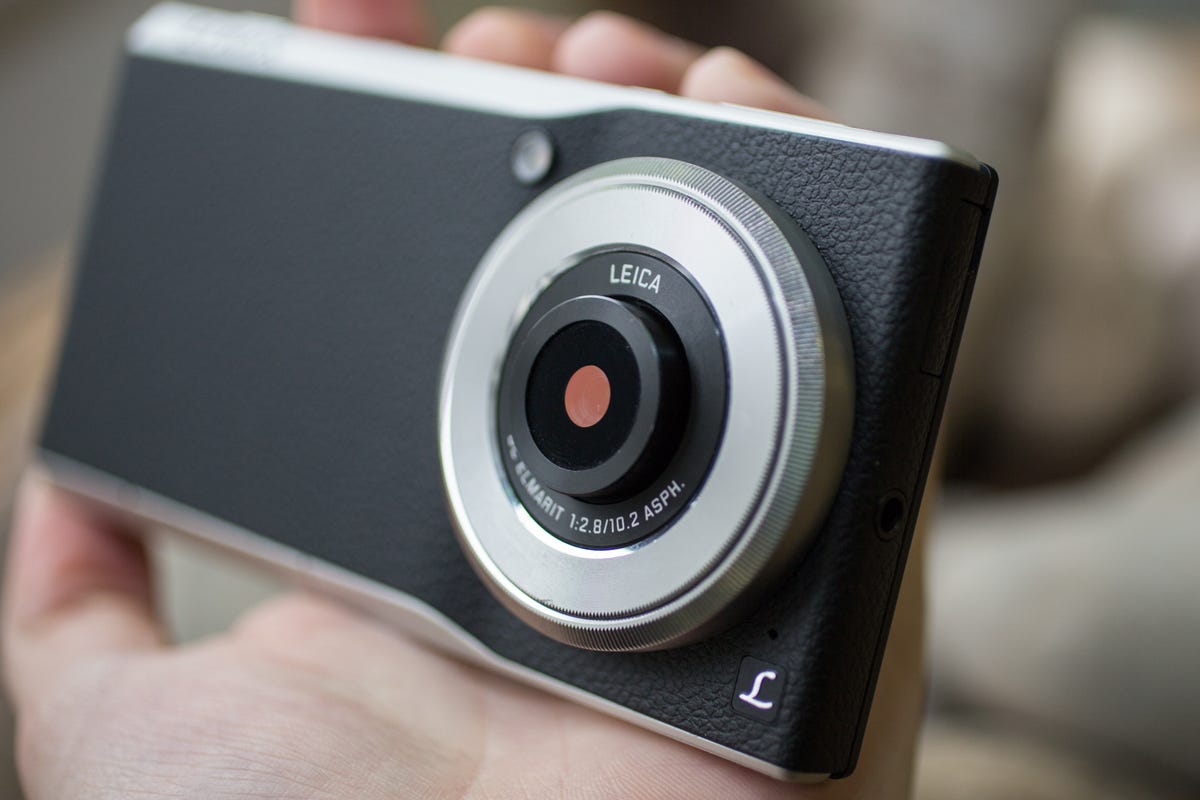
Panasonic's CM1 had a 1-inch image sensor, and it came out back in 2015. Keep up, Apple.
Andrew Lanxon/CNETSure, Apple does amazing things with its computational photography to squeeze every ounce of quality from its small sensors, but if it paired those same software skills with a huge image sensor, the difference could be huge. A 1-inch image sensor surely couldn't be out of the question, but I'd really like to see Apple take things even further with an APS-C size sensor, such as those found in many mirrorless cameras.
Fine, not all three cameras could get massive sensors, otherwise they simply wouldn't fit into the phone, but maybe just the main one could get a size upgrade. Either that or just have one massive image sensor and put the lenses on a rotating dial on the back to let you physically change the view angle depending on your scene. I'll be honest, that doesn't sound like a very Apple thing to do.
A zoom to finally rival Samsung
While I generally find that images taken on the iPhone 13 Pro's main camera look better than those taken on the Galaxy S22 Ultra, there's one area where Samsung wins hands down; the telephoto zoom. The iPhone's optical zoom tops out at 3.5x, but the S22 Ultra offers up to 10x optical zoom.
And the difference it makes in the shots you can get is astonishing. I love zoom lenses, as they let you find all kinds of hidden compositions in a scene, instead of just using a wide lens and capturing everything in front of you. I find they allow for more artistic, more considered images, and though the iPhone's zoom goes some way to helping you get these compositions, it's no competition for the S22 Ultra.
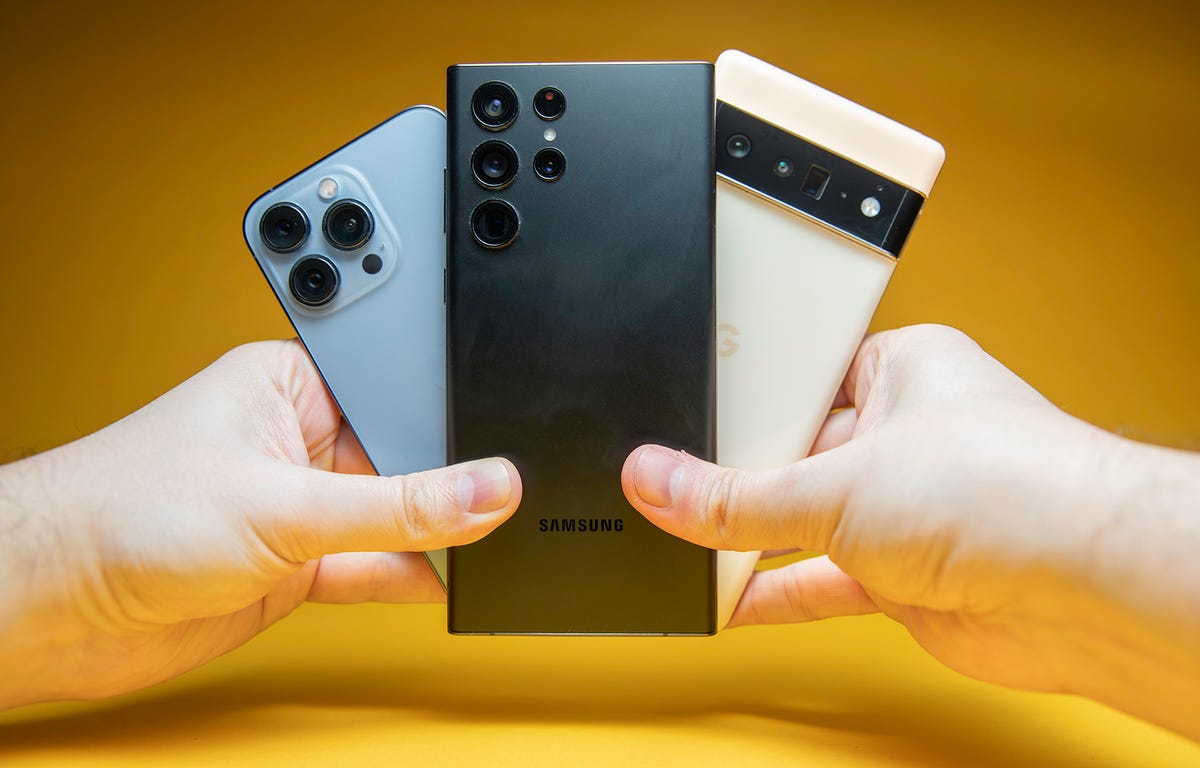
The Galaxy S22 Ultra has an awesome 10x optical zoom, and even the Pixel 6 Pro manages 4x.
Andrew Lanxon/CNETSo what the phone needs is a proper zoom lens that relies on good optics, not just on digital cropping and sharpening, which always results in quite muddy-looking shots. It should have at least two optical zoom levels; 5x for portraits and 10x for more detailed landscapes. Or even better, it'll allow for a continuous zoom between these levels to find the perfect composition, rather than having to simply choose between two fixed zoom options.
Personally, I think 10x is the maximum Apple would need to go to. Sure, Samsung actually boasts its phone can zoom up to 100x, but the reality is that those shots rely heavily on digital cropping and the results are terrible. 10x is huge and is the equivalent of carrying a 24-240mm lens for your DSLR -- wide enough for sweeping landscapes, with enough zoom for wildlife photography too. Ideal.
Pro video controls built in to the default camera app
With the introduction of ProRes video on the iPhone 13 Pro, Apple gave a strong signal that it sees its phones as a genuinely useful video tool for professional creatives. ProRes is a video codec that captures a huge amount of data, allowing for more editing control in postproduction software like Adobe Premiere Pro.
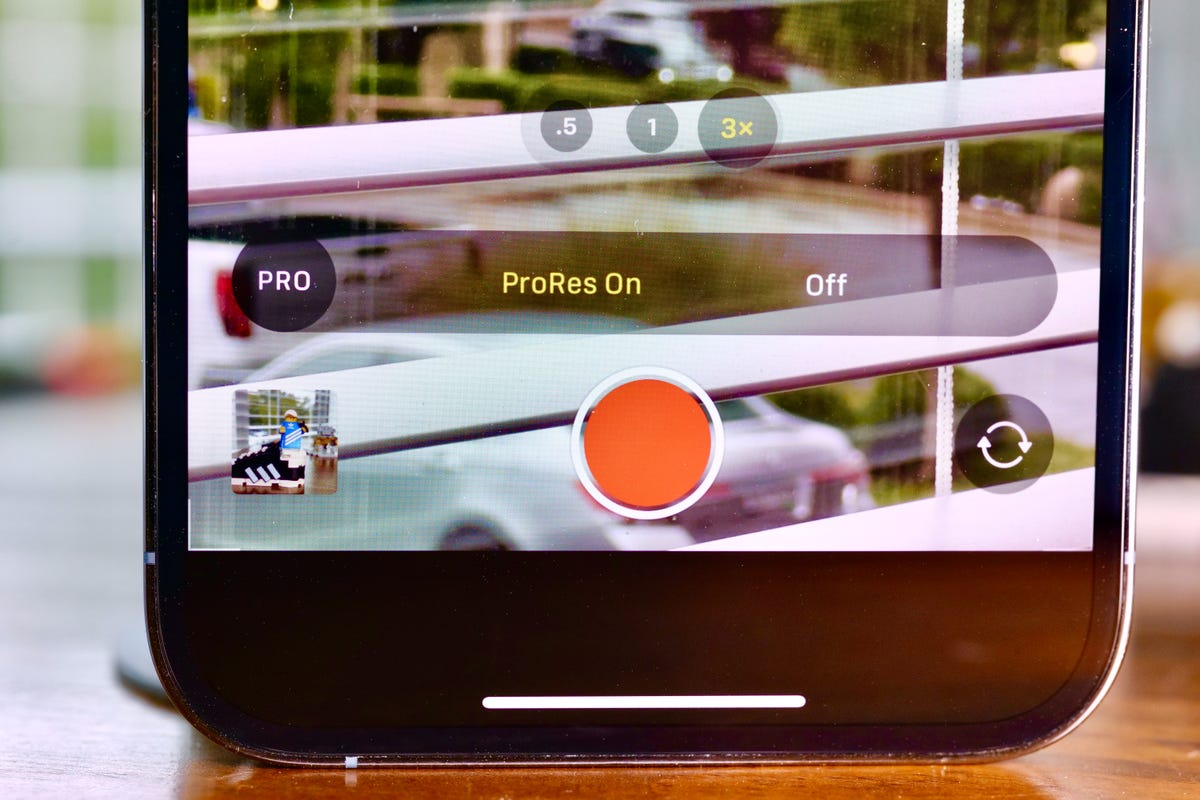
ProRes is built in to the camera app, so why not offer other controls for pro users?
Patrick Holland/CNETBut the camera app itself is still pretty basic, with video settings limited mostly to turning ProRes on or off, switching zoom lenses and changing the resolution. And that's kind of the point; make it as simple as possible to get shooting and to capture beautiful footage with no fuss. But the pros who want to use ProRes will also likely want more manual control over things like white balance, focus and shutter speed.
And yes, that's why apps like Filmic Pro exist that give you incredible fine-grain control over all these settings to get exactly the look you want. But it'd be nice to see Apple find a way to make these settings more accessible within the default camera app. That way, you could fire up the camera from the lock screen, twiddle just a couple of settings and get rolling straight away, confident that you were getting exactly what you wanted from your video.
In-camera focus stacking on iPhone
Imagine you've found a beautiful mountain wildflower with a towering alpine peak behind it. You get up close to the flower and tap on it to focus and it springs into sharp view. But now the mountain is out of focus and tapping on that means the flower is now blurry. This is a common issue when trying to focus on two items in a scene that are far apart, and experienced landscape and macro photographers will get round it using a technique called focus stacking.

Using my Canon R5, I took multiple images here, focusing at different points on this fly, and then merged them together afterward. The result is a subject that's pin-sharp from front to back.
Andrew Lanxon/CNETFocus stacking means taking a series of images with the camera staying still while focusing on different elements within a scene. Then, those images are blended together later -- usually in desktop software like Adobe Photoshop or dedicated focus software like Helicon Focus -- to create an image that has focus on the extreme foreground and the background. It's the opposite goal of the camera's Portrait Mode, which purposefully tries to defocus the background around a subject for that artful shallow depth of field -- or "bokeh."
It might be a niche desire, but I'd love to see this focus stacking capability built in to the iPhone, and it possibly wouldn't even be that difficult to do. After all, the phone already uses image blending technology to combine different exposures into one HDR image -- it'd just be doing the same thing, only with focus points, rather than exposure.
Much better long-exposure photography
Apple has had the ability to shoot long exposure images on the iPhone for years now. You'll have seen those shots; images of waterfalls or rivers where the water has been artfully blurred but the rocks and landscape around the water remain sharp. It's a great technique to really highlight the motion in a scene, and it's something I love doing on my proper camera and on my iPhone.

A standard and long-exposure comparison, taken on the iPhone 11 Pro. It's a good effort, but you lose a lot of detail in the process.
Andrew Lanxon/CNETAnd though it's easy to do on the iPhone, the results are only OK. The problem is that the iPhone uses a moving image -- a Live Photo -- to detect motion in the scene and then digitally blur it, and this usually means that any movement gets blurred, even bits that shouldn't be. The result is shots that are quite mushy looking, even when you put the phone on a mobile tripod for stability. They're fine for sending to your family or maybe posting to Instagram, but they won't look good printed and framed on your wall, and I think that's a shame.
I'd love to see Apple make better use of its optical image stabilization to allow for really sharp long-exposure photos, not just of water, but of nighttime scenes too, perhaps of car headlights snaking their way through the street. It'd be another great way of getting creative with photography from your phone, and making use of the excellent quality from those cameras.
§
Apple's iPhone 13 and 13 Pro are undeniably among the best phones you can buy in 2022. They offer a brilliant blend of impressive all-around performance with camera skills that can rival professional cameras. But since Apple's next launch event is set for Sept. 7, a new iPhone is likely arriving soon with a range of enhancements.
We expect to see Apple's iPhone 14 in the coming weeks -- here's everything you should know about it's rumored release date, price and new design. Although time is running out, I still want Apple to give my wish list a read and make sure it ticks everything off. Because that's how it works, right?
In no particular order then, here are my top hopes for the iPhone 14.
No notch on the iPhone 14
The notch. It has to go. Yes, it's served its purpose, housing as it does the front-facing camera and the various scanners to let you unlock your phone just by looking at it. And while the notch did get slightly smaller on the iPhone 13, it's still a big chunk of screen that's cut away. So it's time for a better solution that lets that screen really shine.
Perhaps Apple could perfect under-display cameras that are there but essentially invisible. We've seen that already on phones from ZTE and Vivo, but the technology is far from perfect. Then there are the weird pop-up selfie cameras seen on some Oppo phones that spring up from the top edge, keeping the display unbroken.
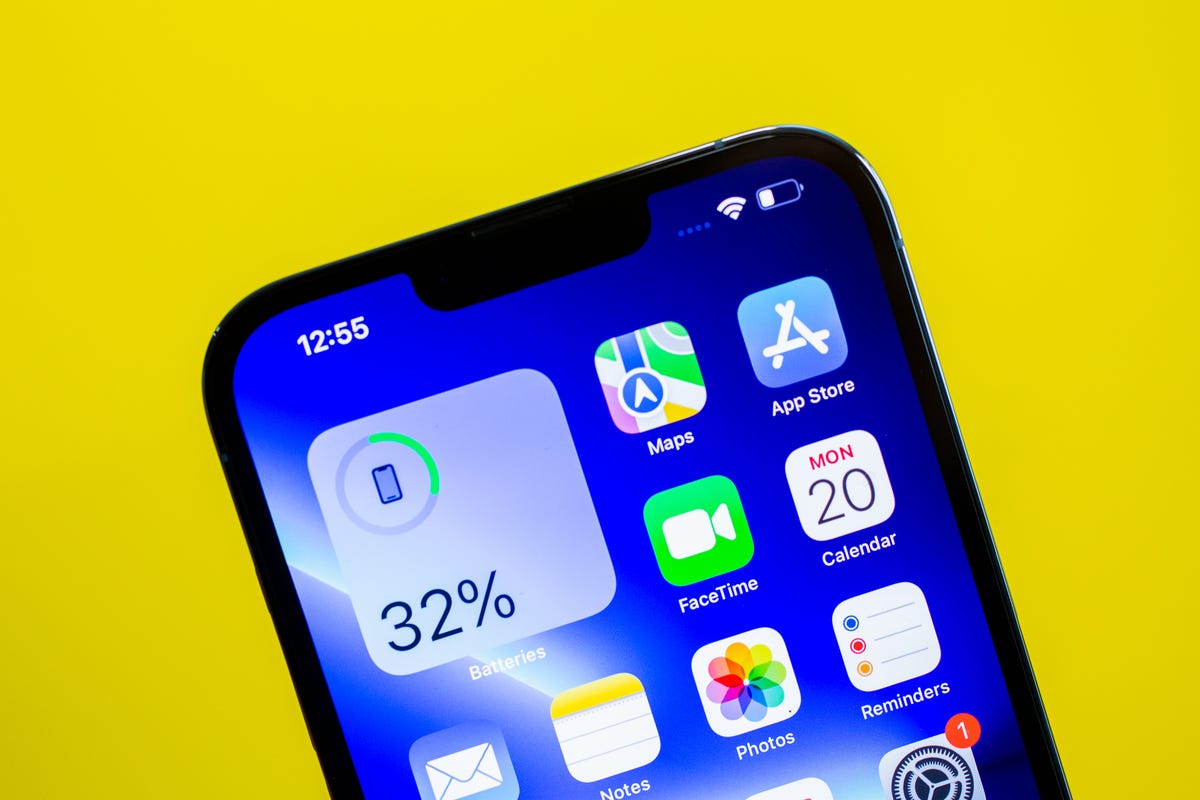
The notch has outstayed its welcome.
Sarah Tew/CNETI'd even compromise with a simple punch-hole solution, filling the front with the display but just popping a couple of small, less obtrusive holes for the cameras to peep through.
Read more: iPhone 14 Might Kill the Notch, but Only for the Pro
In-screen fingerprint scanner as well as Face ID
Speaking of things hidden in the screen, let's pop a fingerprint scanner under there too. Apple's Face ID works well for the most part, or at least it did before the pandemic hit. Wearing masks in public is a much more common occurrence than it was prior to the pandemic, and before the release of iOS 15.4 in March, face unlock simply didn't work without also pairing up with an Apple Watch. Although you can now unlock your iPhone while wearing a mask thanks to the iOS update, I think Apple should still bring back fingerprint scanning.
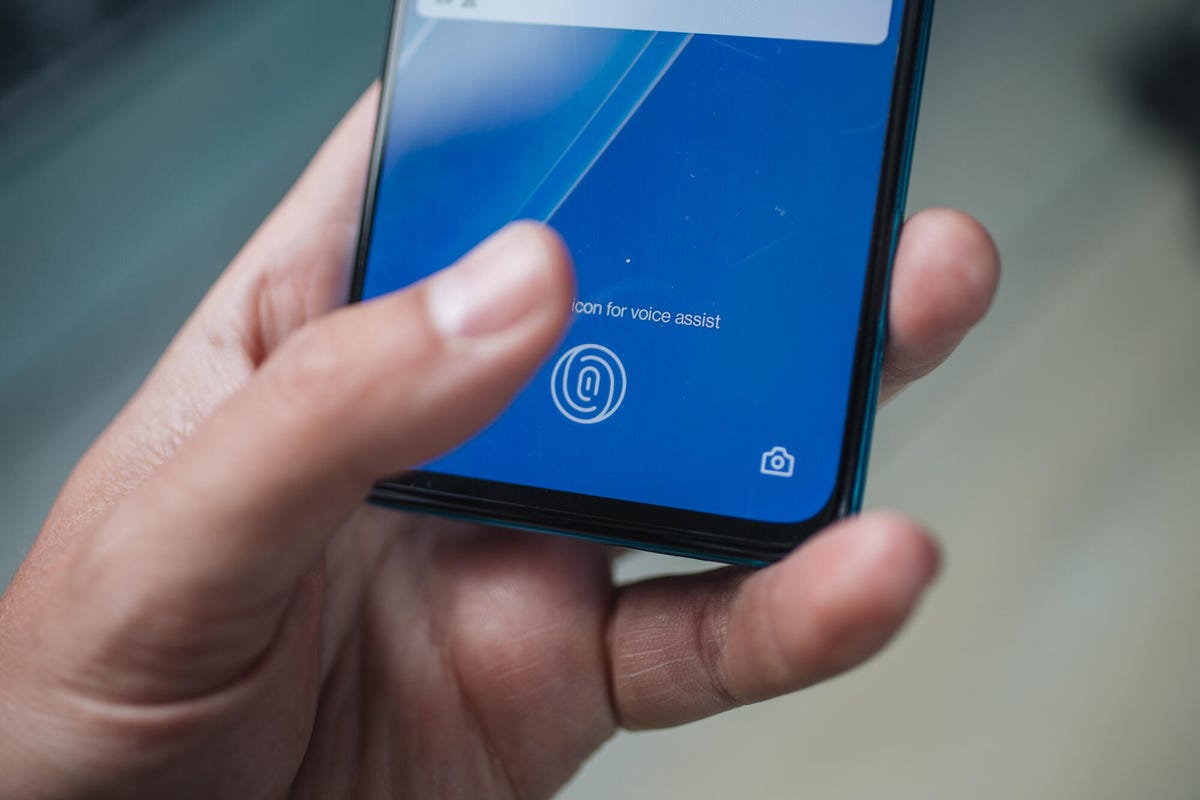
Even on the affordable OnePlus Nord CE you'll find a fingerprint scanner hidden beneath the display.
Andrew Lanxon/CNETIn-screen scanning technology is common now, with affordable phones from OnePlus invisibly hiding scanners into the display of their phones and I find that they work pretty much as well as physical scanners that were once on the back or side of the phone. It's not a step backward to put this technology in -- it would simply be acknowledging that maybe the world needs a different solution to what we had before -- which can be said of so many things.
A bigger zoom and larger sensor for iPhone 14's camera
The iPhone 13 Pro camera is superb, taking beautiful images in the daylight and capturing bright, sharp shots in the middle of the night. It's one of the best cameras you can find on a phone, but I'm a photographer, so naturally I'm going to demand more.
The main thing I want here is a bigger zoom. Yes, Apple upped the zoom level to 3x with the iPhone 13 Pro, but that still pales against the Samsung Galaxy S22 Ultra's whopping 10x zoom. Zoom lenses are superb tools for finding interesting compositions in your environment, for getting up close on those details that would simply be lost if you took your shot with a wide angle lens. Even the 4x zoom on Google's new Pixel 6 Pro was enough of a jump to allow for more telephoto-style images.

Captured with the Samsung Galaxy S21 Ultra, which also has a 10x zoom, it's clear to see how much benefit there can be from having a longer zoom option.
Patrick Holland/CNETBut while we're on the camera, I'm always keen to see overall improvements in quality. So let's also slap an even bigger image sensor in there -- maybe a 1-inch size as we've seen on Sony's recent Xperia Pro I, or hell, let's go APS-C or full frame, if we're dreaming. The bigger the sensor, the better the overall image quality and with each generation of camera upgrade we've had, the less I need to take my camera out with me.
Maybe with the iPhone 14 I can just sell my DSLR and shoot solely on my phone.
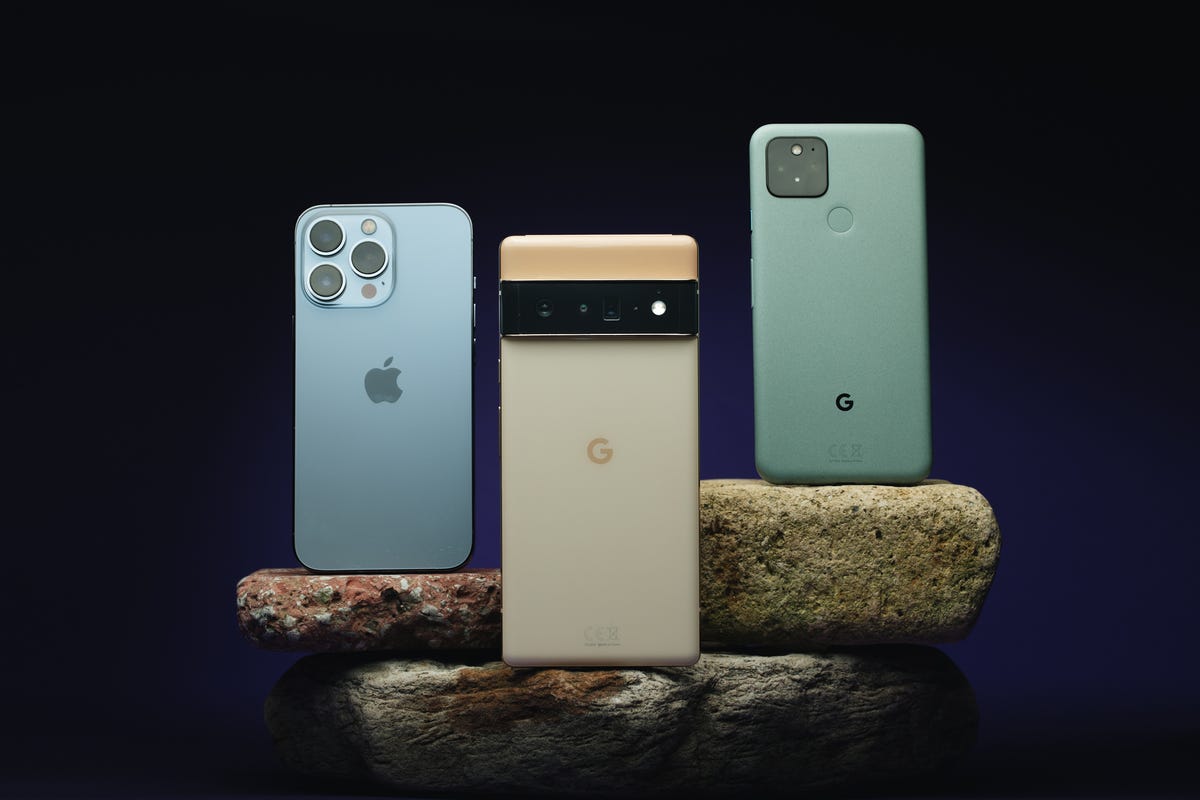
The iPhone is the only one out of these three that doesn't use USB-C.
Andrew Lanxon/CNETUSB-C charging to replace Lightning
Apple has adopted USB-C for almost all of its products now from the iPads to the MacBooks to the AirPods. The iPhone still uses Apple's legacy Lightning port, which makes it the only device on my desk I need to find a different cable for when I want to charge it. All my Android review phones, my tablets and even my mouse and keyboard plug into my USB-C power cables and the iPhone feels somewhat outdated as a result.
But Apple has always had its own ways of charging. When everyone else was using Micro-USB, Apple had that massive 32-pin connector first seen on the iPod and that was a pain, too. So expecting Apple to step in line with the rest of the industry feels about as likely as asking giraffes to maybe try having shorter necks like the rest of us, OK? You too, swans. Donkeys, you're fine, you've got enough going on.
But what I don't want is for Apple to remove the port entirely, which was rumored when it launched MagSafe charging. Because then, I still need a dedicated charging cable. Plus MagSafe charges slower than the Lightning cable and doesn't currently support data transfer. You see, it wouldn't work. So USB-C it is. Thanks. In the meantime, at least I can make use of any USB-C to Lightning cable to get at least half of the convenience I'm looking for.
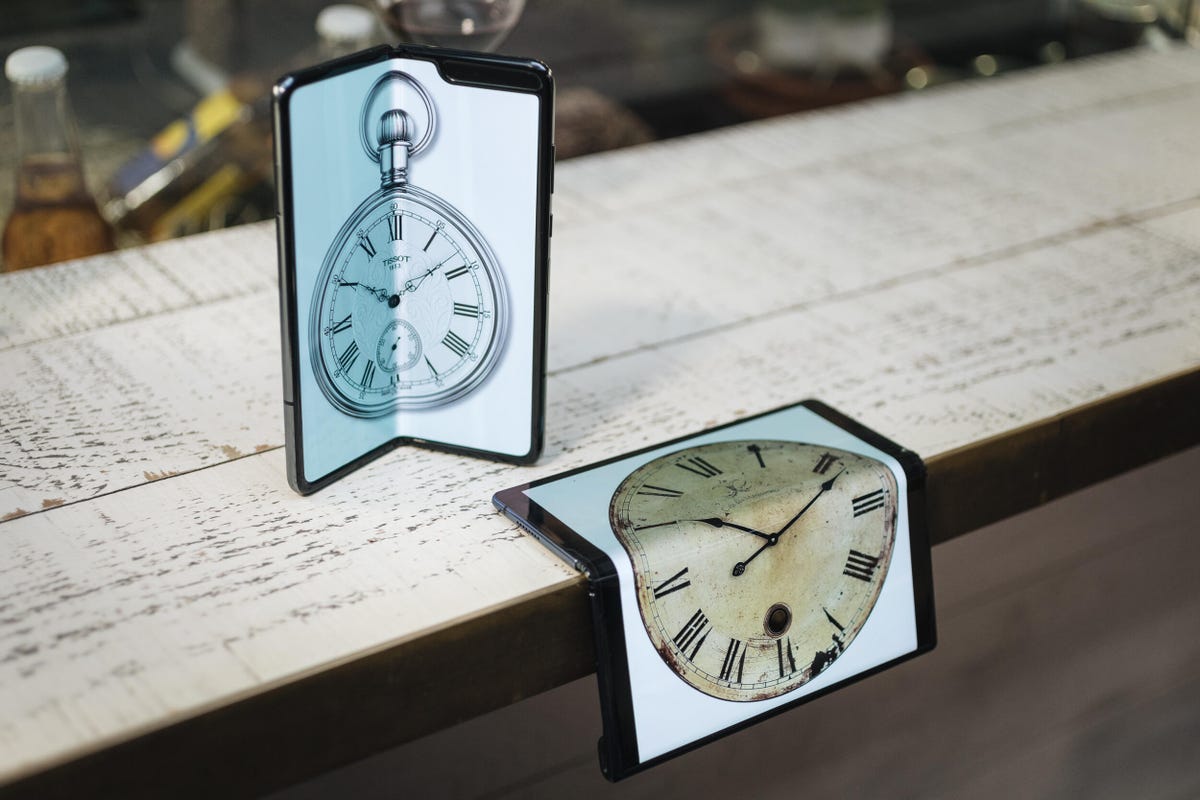
Foldable phones are great for making a big screen fit into a smaller body.
Andrew Lanxon/CNETA foldable iPhone 14
Foldable phones have been the biggest physical design revolution we've seen in phones since basically the advent of the smartphone. But they've not really caught on -- possibly because of their high prices but also possibly because they just don't really offer a compelling reason to make use of that fold.
But Apple has a decent track record of taking an existing innovation and actually finding a way to make it work well enough to have an impact in our lives. Apple didn't invent tablets, but the iPad was the first one that really showed how useful they can be, and now it's basically the only tablet that matters. And I like foldable phones. They're fun and they allow a big screen that's great for videos and photo editing to fold in half and be much more pocket friendly.
So I'd love to see Apple's take on this genre of device and see what its team would do with a product that's halfway between an iPhone and an iPad. Maybe not as the only phone it launches, but maybe as an additional one, called the iPhone 14 Fold that sits above the iPhone 14 Pro. And while there are only a few foldable iPhone rumors to suggest that this will ever be a real thing, I'd put good money on a working Apple folding phone concept sitting somewhere right now deep down in its research labs on that spaceship campus.
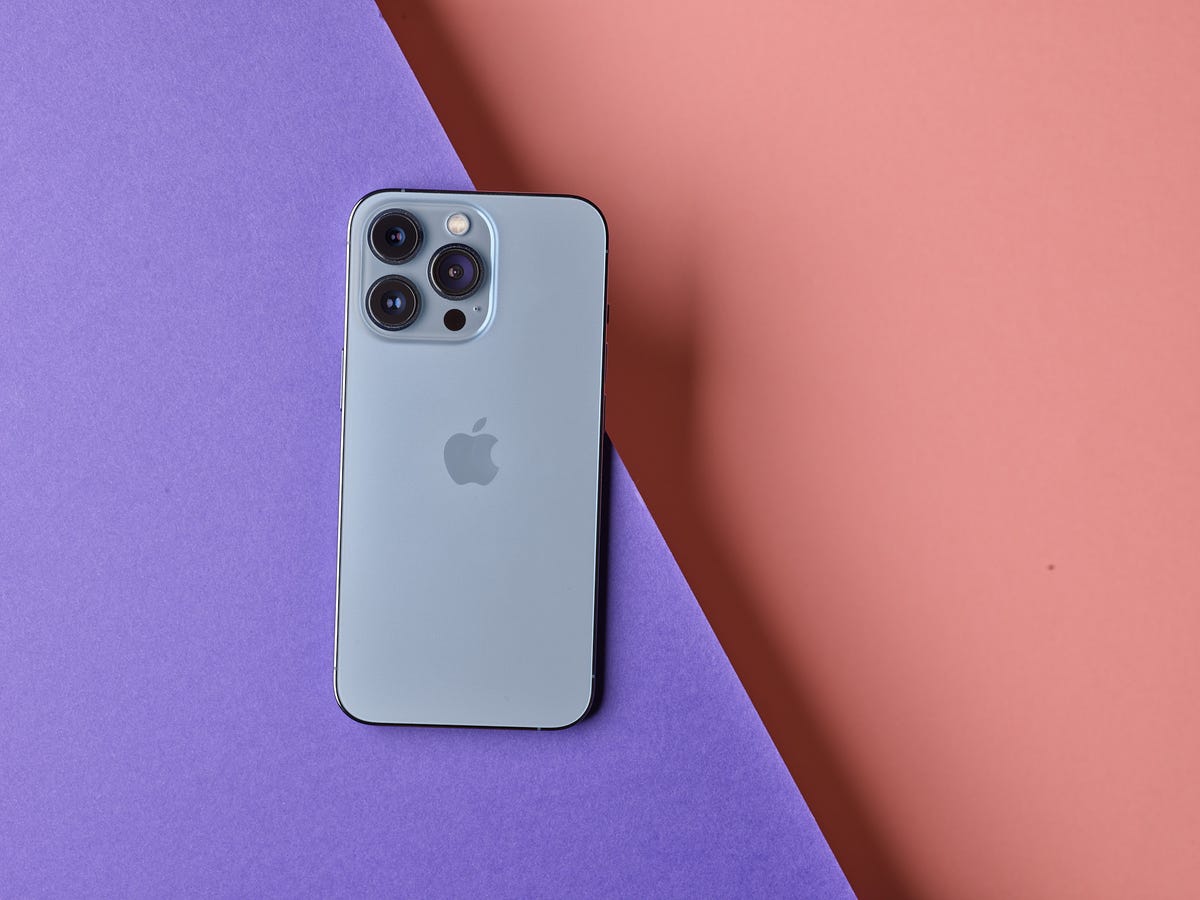
The iPhone 13 Pro is one of the top phones you can buy right now.
Andrew Lanxon/CNETBut those are my top five things I'd like to see from the iPhone 14. Some of them are more credible than others but who knows what the rumors will point to over the coming months.
For more, check out all the iPhone 14 rumors we've heard so far including its release date and price. You can also take a look at the best features in iOS 16. Plus, we break down the best iPhones you can buy right now.
§
Apple has set the date for its latest iPhone's debut. The new device, which is expected to be called the iPhone 14 and include an always-on display, will be unveiled on Sept. 7 at 10 a.m. PT (1 p.m. ET). Rumors suggest the new iPhone lineup will nix the Mini in favor of a new Max model, joining the rumored iPhone 14 Pro and iPhone 14 Pro Max, and potentially increase the price by about $100 over last year's. Apple may also have plans to excise the iPhone 14's notch in favor of a hole-and-pill-shaped front camera, at least for the Pro models.
In addition to the iPhone 14, Apple's may also use the event to unveil the Apple Watch Series 8, which will reportedly look similar to last year's model but have more health features such as a fever sensor, as well as improved durability.
The tech giant has invited press to its Apple Park headquarters in California for the event, though it'll also offer a livestream on Apple.com and other streaming services. As is typical, Apple didn't say much in its invitation about its upcoming iPhone event. The invitation shows an Apple logo seemingly set in a night sky, suggesting potential camera improvements or last year's rumored satellite emergency calling. The image looks like something we might see from the James Webb Space Telescope, whose stunning photos have already begun changing how we see the cosmos since first being released earlier this summer. In its announcement, Apple included the teaser words "Far out."
Read more: How to Watch the iPhone 14, Apple Watch Series 8 Launch
The new features for both the iPhone 14 and Apple Watch 8 may help Apple stand out from Samsung and other device makers during what is expected to be heightened competition this year. People have been cutting back on tech purchases, leading to surprisingly low sales reports from chipmaker Intel, as well as sudden ad business shortfalls for Google parent Alphabet and Facebook parent Meta. And they're not alone.
Our collective confidence in the economy has fallen through the floor, thanks to the ongoing coronavirus pandemic mixed with continual inflation and a looming recession. One survey from the University of Michigan found that consumer sentiment is at its lowest point in at least 70 years.
That means Apple will have to fight even harder to win over new iPhone owners. Samsung, for its part, made Apple's job a little easier by announcing its flagship Galaxy Z Fold 4 and Galaxy Z Flip 4 at their standard prices of $1,800 and $1,000, respectively, earlier this month. It also raised the prices of its Galaxy Watch 5 and Galaxy Buds 2 Pro by $30 apiece.
Apple so far isn't acting worried. Over the past couple of years, Apple's notched its biggest revenue and profits each holiday shopping season, largely on the popularity of 2021's iPhone 13 and 2020's iPhone 12. Apple CEO Tim Cook has previously cited the advanced cameras, long battery life and well-regarded software as reasons people continue choosing iPhones. But he also said that 5G, the super-fast wireless technology Apple began using two years ago, is likely to push even more people to upgrade.
"5G has been an accelerant," he said when speaking to investors on a conference call last month. He added that although the technology is spreading through some places, like China, the EU and US, other parts of the world haven't begun using it as much. And so as 5G expands, he said, "I think there's reason to be optimistic."
While the iPhone will be a key product we see at Apple's event this year, and likely what most people focus their attention on, the company's expected to have other devices to show off. Those include new Mac computers with upgraded chips and new iPads.
Source

